Introduction to Narrative Reframing
Narrative reframing refers to the process by which dominant cultures or mainstream societal forces alter, reinterpret, or co-opt the language, imagery, and intent of a movement in a way that diminishes its original radical goals. In the context of women’s movements, this phenomenon is particularly prevalent, as the messages promoting gender equality and social justice are reframed to align with more palatable narratives for mainstream audiences. This reframing can sanitize or dilute the urgency and significance of the original demands, leading to a distorted understanding of the issues at hand.
One of the most common ways that narrative hijacking occurs is through the commodification of feminist ideas. Companies and organizations often adopt feminist language and imagery for marketing purposes, stripping the movement of its critical context and reducing it to a mere aesthetic or trend. This process not only diverts attention from the actual struggles faced by women but also creates a false sense of progress, suggesting that the fight for equality can be resolved through consumer choices rather than systemic change. As a result, essential discussions surrounding intersectionality, systemic oppression, and gender-based violence may be overshadowed by a more superficial representation of feminism that avoids challenging the status quo.
It is crucial to preserve the original intent and radical potential of women’s movements to ensure that their goals are not undermined. Acknowledging narrative hijacking helps illuminate the complexities of social justice discourse and encourages advocates to remain vigilant about the framing of their movements. By empowering marginalized voices and maintaining a focus on the core issues, women’s movements can better resist co-optation and work towards meaningful change. Understanding the implications of narrative hijacking allows activists to engage more effectively with their audiences, promoting a deeper awareness and commitment to the fundamental principles underpinning the fight for gender equality.
Understanding Social Justice Movements
Social justice movements have historically emerged as a response to systemic inequalities and injustices present within society. Primarily, these movements aim to promote equality, protect human rights, and reshape societal norms, thereby advocating for marginalized groups. At the heart of women’s movements lies the notion of radical change, emphasizing not just equal treatment but a fundamental re-examination of power structures that perpetuate gender inequalities.
The origins of social justice movements can be traced back to various historical contexts. Women’s movements, specifically, gained significant traction during the suffrage movement in the late 19th and early 20th centuries. Key figures such as Susan B. Anthony and Elizabeth Cady Stanton exemplified the advocacy for women’s rights, pushing for legal recognition and voting rights that fundamentally challenged patriarchal norms. This period marked the commencement of a broader dialogue regarding gender equality, setting important milestones in the quest for social reform.
As the 20th century progressed, the focus of women’s movements evolved, incorporating intersectionality and addressing the unique challenges faced by women of diverse backgrounds. Movements such as second-wave feminism in the 1960s and 1970s highlighted issues like reproductive rights, workplace equality, and sexual liberation. These movements were characterized by their radical intentions, advocating for not merely acknowledgment of women’s rights but a complete transformation of societal structures that oppressed them.
The evolution of women’s movements demonstrates the complex interplay between advocacy and backlash. Despite the progress achieved, narrative control has often emerged as a tactic employed by dominant cultures to reframe feminist discourse. This recontextualization serves to dilute the radical aspirations of these movements, presenting them in a manner that becomes palatable to the status quo while diminishing their transformative potential.
The Mechanics of Narrative Control
The control of social narratives by dominant cultures is a multifaceted process that employs various strategies and tactics. One of the primary mechanisms is framing, which involves presenting information in a way that influences how it is interpreted. By strategically selecting certain angles, dominant cultures can manipulate the context and implications of crucial issues, thereby reshaping public perception. For example, women’s movements advocating for equality can be reframed as radical or extreme, diverting attention from their foundational goals of equity and justice.
Messaging plays a pivotal role in this narrative control. Dominant cultures craft messages that resonate with broader public fears or biases, thus undermining the radical potential of grassroots movements. This process often involves simplifying complex issues, presenting them in a palatable manner that appeals to mainstream sensibilities. Consequently, essential conversations around women’s rights can devolve into polarized debates, where essential demands are diluted, and the focus shifts to framing perceptions rather than achieving tangible change.
The platforms utilized to disseminate these altered narratives are equally significant. Traditional media outlets, social media networks, and other influential channels can propagate distorted or sanitized versions of women’s movements, coloring public perception. In the age of information overload, dominant narratives can overshadow grassroots perspectives, creating a skewed understanding of social issues. The psychological impact on activists and supporters is profound; when movements are consistently portrayed in a negative or misleading light, it can lead to diminished credibility and morale within the grassroots community.
The interplay between media representation and public perception is critical to understanding narrative control. Representation shapes not only the current discourse but also future activism, as inaccurate portrayals can lead to skepticism among potential supporters, trapping movements in a cycle of misunderstanding and misrepresentation. Ultimately, recognizing and dissecting these mechanics is crucial for empowering women’s movements and preserving their radical potential.
Corporate Feminism: A Case Study
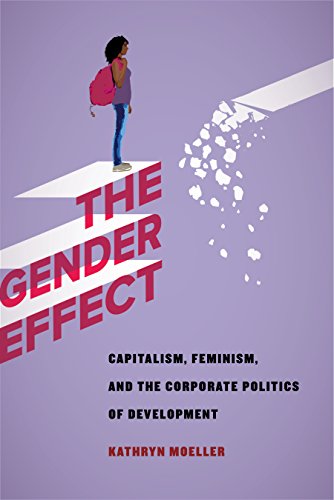
In contemporary society, the concept of corporate feminism has emerged as a notable illustration of narrative hijacking within the broader discourse of women’s movements. Corporations often embrace feminist rhetoric, utilizing it to align themselves with progressive values, yet their main intent frequently remains profit-driven. This approach can diminish the genuine feminist agenda, as it tends to prioritize corporate interests over authentic social justice efforts.
One of the most recognizable examples of corporate feminism is the promotion of women’s empowerment campaigns by global brands. For instance, companies might launch advertising campaigns that celebrate women’s achievements, yet simultaneously they can be complicit in practices that exploit female labor or undermine workers’ rights. Such dissonance highlights the gap between the rhetoric of empowerment and the realities of corporate operations, leading to critiques that these companies are engaging in “performative feminism.”
Another aspect of corporate feminism is the phenomenon of “diversity washing,” wherein corporations tout their commitment to gender equality while largely failing to implement meaningful changes within their organizations. This often involves portraying a diverse workforce superficially, without addressing systemic issues such as pay equity, promotion barriers, or workplace discrimination. As a result, the radical potential of feminist movements is diluted, transformed into a marketable narrative that satisfies consumer demands for social responsibility without yielding real reform.
Additionally, events such as women’s conferences sponsored by major corporations illustrate the complexities of corporate feminism. While these gatherings attempt to provide a platform for female empowerment and networking, they often lack actionable solutions to the systemic challenges faced by women in the workforce. Such events can serve to reinforce the status quo, further emphasizing the need for a critical examination of how feminist ideals are appropriated by commercial entities.
Ultimately, while some corporations genuinely strive to promote gender equity, a significant portion may prioritize brand image and consumer appeal over authentic feminist advocacy. Understanding corporate feminism as a manifestation of narrative hijacking highlights the importance of distinguishing between rhetoric and reality in women’s movements, underscoring the necessity for sustained commitment to true social change.
Gender Inequality: The Continuing Struggle
Gender inequality remains a pervasive issue across the globe, impacting the lives of women in various facets including economic stability, education, political representation, and healthcare access. Despite significant progress over the decades, women continue to experience disparities that hinder their ability to fully participate in society on equal terms with men. Systemic barriers, cultural norms, and economic structures perpetuate these inequalities, often relegating women to secondary roles within their communities and limiting their opportunities for advancement.
In many contexts, gender inequality is exacerbated by what is recognized as narrative hijacking. This term refers to the dynamics through which dominant cultural narratives subvert or co-opt the discussions surrounding women’s rights and movements, often by minimizing their radical elements. For instance, when movements advocating for gender equality are reframed to focus solely on individual empowerment rather than addressing systemic oppression, the original intent can become diluted. This results in a scenario where transformative change is sidelined in favor of more palatable solutions that do not threaten the status quo.
Furthermore, this reframing can divert attention from pressing issues such as gender-based violence, wage disparities, and lack of access to reproductive rights. When public discourse is steered toward discussing women’s rights as a personal rather than a collective struggle, the urgency and necessity of systemic reforms are diminished. This can lead to a superficial understanding of gender inequality, where the complexities and intersections of various forms of oppression are overlooked. As a result, the radical potential of women’s movements is neutralized, making it imperative to recognize and challenge these hijacked narratives to ensure that the focus remains on genuine progress towards equality.
Emotional and Psychological Impact of Narrative Hijacking
The emotional toll of narrative hijacking on individuals within women’s movements often manifests through a complex interplay of confusion, frustration, and a sense of disengagement. When the authentic narratives of activism are reshaped or overshadowed by dominant cultural narratives, participants can find themselves grappling with feelings that undermine their initial motivations for involvement. Altered narratives may create a disconnect between the true essence of their activism and the public perception, leading to an internal conflict that can be profoundly distressing.
Many activists report feelings of confusion as they witness a distortion of their efforts. The ideals that initially drew them to the movement are often diluted or caricatured, leaving them questioning the authenticity of their mission. For instance, when the radical goals of feminist movements are reframed to align more closely with mainstream or commercial agendas, the essence of the struggle for equality can become obscured. This dilution can lead to feelings of inadequacy among activists, as they may feel that their voices are unheard, contributing to a sense of isolation.
Frustration is another common emotion experienced within this context. Activists may feel that their messages are sidestepped, misrepresented, or co-opted by narratives that fail to recognize the nuances of their struggles. This misrepresentation can result in a sense of betrayal, particularly when longtime advocates witness the commodification of their labor. Such actions can lead to disengagement, as individuals may choose to withdraw from the movement altogether rather than continue to fight against a backdrop that continually undermines their authentic narratives.
Overall, the emotional and psychological repercussions of narrative hijacking significantly impact the sustainability and inclusivity of women’s movements. Activists must navigate these challenges while striving to reclaim their narratives and maintain momentum towards their original goals.
Examples of Successful Narrative Resistance
Throughout history, various women’s movements have demonstrated remarkable resilience in reclaiming their narratives and circumventing attempts at narrative hijacking. One striking example is the Women’s March, which gained momentum following the 2017 inauguration of former President Donald Trump. Initially framed by some media outlets as merely a reaction to the election, the movement quickly evolved into a comprehensive platform advocating for a variety of women’s rights issues, including reproductive rights, racial equality, and LGBTQ+ rights. Organizers employed social media strategically to disseminate their messages and empower a diverse coalition of voices, thus refusing to be pigeonholed into a single narrative.
Another significant instance of narrative resistance can be found in the #MeToo movement. Initially emerging as a grassroots initiative to amplify the voices of survivors of sexual violence, it has been met with various attempts to dilute its radical implications. Yet, the movement has adeptly maintained its focus on systemic inequality and holds powerful figures accountable for their actions. Survivors have taken control of their stories and used platforms such as social media to bypass traditional media narratives, creating a widespread dialogue that reinforces the movement’s original intent. Their commitment to intersectionality further enriches the narrative, ensuring that disparate experiences are included and validated.
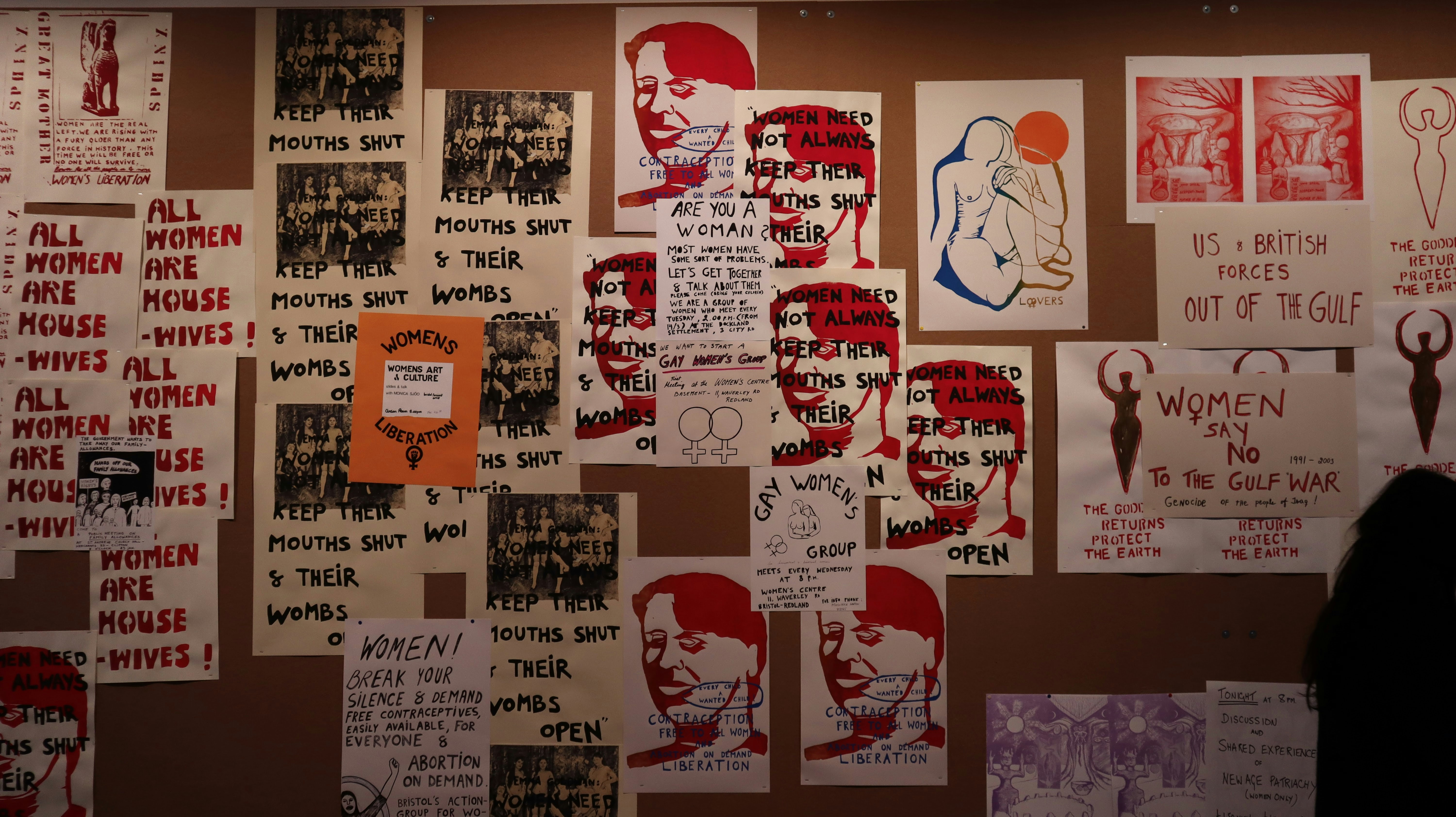
Moreover, the feminist art movement highlights how artistic expression can reclaim narratives from dominant cultural perspectives. Artists like Judy Chicago and the Guerrilla Girls have challenged societal norms through provocative installations and performances that emphasize women’s experiences, urging audiences to reconsider traditional narratives surrounding gender. By creating spaces for dialogue and reflection, these artists not only reclaim their stories but also reframe the cultural understanding of women’s issues. The resourcefulness and innovation displayed by these movements exemplify the ongoing struggle for narrative autonomy, showcasing how women are actively resisting domination in cultural discourses.


The Role of Intersectionality
Intersectionality is a critical framework in understanding how various forms of social stratification, such as race, gender, sexuality, and class, interrelate in shaping individual experiences and collective identities. In the context of feminist movements, intersectionality emphasizes the necessity of accounting for the diverse experiences of women, particularly those from marginalized communities. When addressing issues related to women’s rights, it is vital to recognize that not all women experience oppression in the same manner, as their overlapping identities significantly inform their realities.
Dominant cultures often engage in narrative hijacking, distorting the core messages of feminist movements to serve their agendas. This co-opting becomes particularly pronounced when the voices of marginalized groups are sidelined. As more powerful narratives overshadow the experiences of these women, the radical potential of the feminist movement is effectively neutralized. By prioritizing the experiences of white, cisgender, middle-class women, other narratives are rendered invisible, causing a detriment to the overall movement. This exclusion is not merely a loss of representation; it fundamentally alters the discourse surrounding gender equality and social justice.
Broad social justice movements that lack an intersectional approach risk perpetuating systemic inequalities by failing to address the needs of all women. The omission of specific voices can dilute the movement’s effectiveness, rendering it less radical and more acceptable to dominant societal structures. Therefore, recognizing and valuing the intricacies of marginalized experiences is essential in reclaiming narratives within feminist discourse. By embedding intersectionality into ongoing conversations, feminist movements can resist narrative hijacking and maintain their radical roots, ensuring that all voices contribute to the dialogue surrounding gender equality.
Conclusion: Reclaiming Our Narratives
Throughout this exploration of women’s movements and the phenomenon known as narrative hijacking, it has become evident that the reframing of radical feminist intentions by dominant cultures poses significant challenges. This manipulation not only threatens to dilute the fundamental messages of such movements but also reverts efforts aimed at achieving genuine equality and societal transformation. As discussed, the process often involves subtle tactics that co-opt the language and symbols of feminism while stripping them of their original, powerful meanings.
Engaging critically with these narratives is essential for preserving the intentions that spurred women’s movements. It is imperative to remain vigilant against the pervasive influence of dominant cultures that seek to reshape feminist discourse for their own ends. By understanding the mechanisms of narrative hijacking, activists and supporters can better strategize to reclaim authentic narratives that reflect the core values of feminism, such as empowerment, justice, and intersectionality.
Moreover, collective action is crucial in this endeavor. Communities must come together to actively resist cultural appropriation of feminist narratives. This can include supporting grassroots organizations, amplifying marginalized voices, and engaging in open dialogues that highlight the importance of preserving the original messages of women’s movements. It is also vital to educate future generations on the historical context of feminist struggles to ensure that the lessons learned are not lost to time.
In conclusion, the fight against narrative hijacking demands a concerted effort from all individuals who are committed to authentic feminist progress. By advocating for the true intentions of women’s movements and fostering a shared understanding of their significance, we can protect the transformative potential they embody. Together, through awareness and proactive measures, we can uplift and reclaim narratives that inspire true change and advance equality for all.
Sources
Corporate Feminism and Commodification
Lauri, J., & Lauri, M. (2024). Commodified State Feminism: The Entanglements of Feminist Commodity Activism and Feminist Politics in a Nordic Welfare State. International Political Sociology, 18(2).
Persistent Gender Inequality Despite “Progress”
Gould, E., deCourcy, K., Fast, K., & Zipperer, B. (2025). Equal Pay Day: Gender pay gap hits historic low in 2024—but remains too large. Economic Policy Institute.
The Women’s March and Intersectional Resistance
Fisher, D. R., Dow, D. M., & Ray, R. (2017). Intersectionality takes it to the streets: Mobilizing across diverse interests for the Women’s March. Science Advances, 3(9).