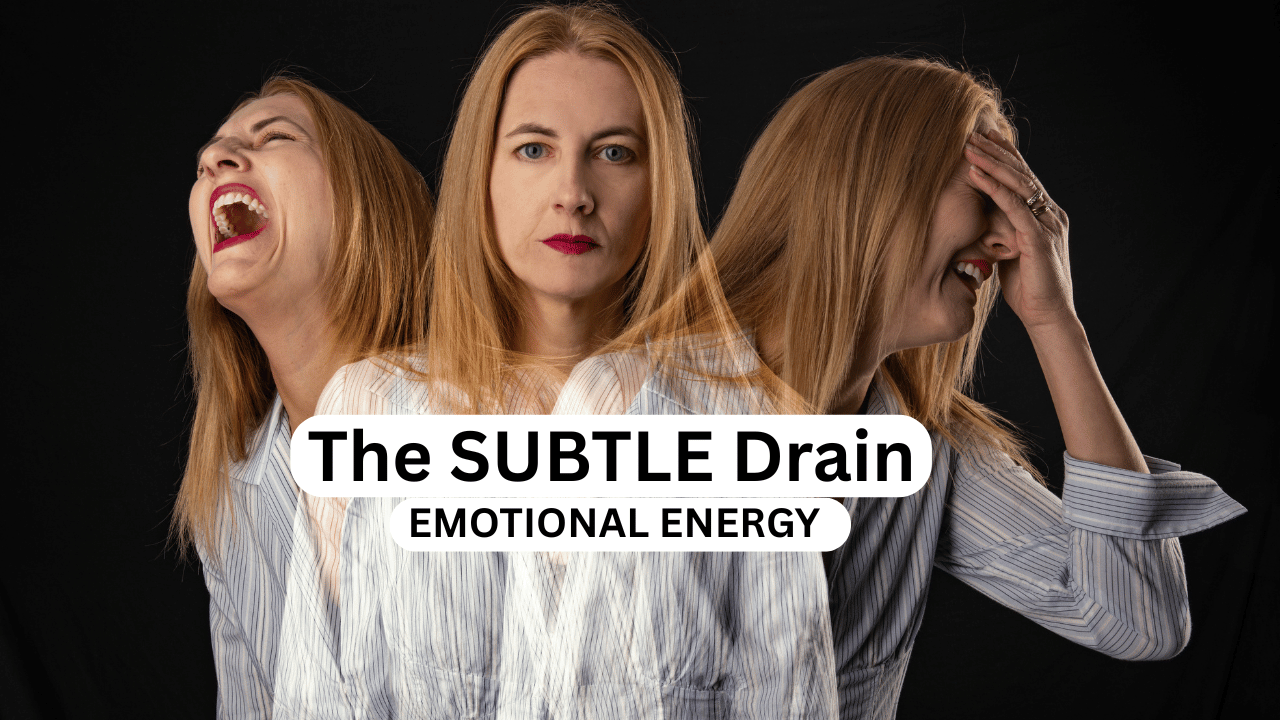
The Subtle Drain of Emotional Energy
The emotional energy dynamics within personal relationships can significantly impact one’s overall well-being and financial stability. Particularly, women’s emotional power is sometimes inadvertently diminished by their interactions with men.
This phenomenon, often described as emotional draining, occurs when individuals, often unconsciously, require excessive emotional support from their partners while offering little in return. This can create a significant imbalance where women’s emotional needs are overlooked.
In many societal constructs, traditional gender roles have perpetuated the idea that women should be more nurturing and emotionally available. Consequently, when men fail to reciprocate this emotional availability, women may find themselves in a position where they feel drained, both emotionally and financially.
The emotional energy exerted can translate into tangible consequences, particularly in the workplace, where a lack of emotional support may lead to reduced productivity and heightened stress levels.

This discussion is not aimed at casting blame or engaging in a man-bashing narrative; rather, it seeks to shed light on the subtleties of emotional dynamics.
Related: Emotionally Absent: When Patriarchy Teaches Men to Disconnect
Recognizing and addressing these patterns is crucial for fostering healthier relationships where both partners feel supported. Awareness is the first step in this journey, as conversations around emotional labor can promote understanding and collaboration.
By exploring how these dynamics play out, we can uncover the implications of emotional drain and its broader financial impacts, paving the way for more equitable and emotionally fulfilling partnerships.
Understanding Emotional Drainage
Emotional drainage is a concept that refers to the process by which one individual’s emotional state negatively impacts another’s, leading to feelings of fatigue, helplessness, and diminished self-esteem.
Emotional drainage can manifest in various ways, including:
- persistent criticism,
- neglect,
- or manipulation of a partner’s feelings, contributing to an unequal emotional dynamic.
In a relationship where emotional drainage occurs, one partner may unknowingly prioritize their own emotional needs over their partner’s. This can lead to feelings of inadequacy in the other partner, often resulting in a decrease in their emotional power and autonomy.
Women, in particular, might experience this imbalance more acutely due to societal expectations that often place them in supportive roles.
Related: How Societal Gaslighting, Lovebombing, and Manipulation Became Cultural Norms
Examples of behaviors that contribute to emotional draining include dismissive communication, a lack of empathy (or worse, faking empathy –84 ways he may be faking it), and emotional volatility. For instance, a partner who frequently belittles their significant other’s achievements or feelings can create an environment where the woman feels undervalued.
Additionally, individuals who consistently demand emotional support without reciprocation can cause their partners to experience feelings of exhaustion and self-doubt.
Recognizing emotional drainage is crucial for women because it empowers them to set boundaries and prioritize their emotional health.
Understanding these dynamics not only aids in personal development but also in enhancing financial independence. Emotional stability is closely linked to financial decision-making; women who feel empowered emotionally are more likely to pursue opportunities that foster financial growth.
Manipulation of Vulnerabilities
The emotional landscape of every individual is complex, filled with unique vulnerabilities that often stem from personal history, relationships, and societal norms.
Some men exploit these vulnerabilities, utilizing an acute awareness of women’s emotional needs to engage in manipulative behaviors. This form of manipulation often manifests in various ways, leading to significant emotional turmoil in women.
Related: How to Protect Yourself From Emotional Manipulation in Relationships
One prevalent example involves emotional manipulation, where an individual may use guilt or shame to influence a woman’s feelings and decisions. For instance, a man might express discontent or anger whenever a woman prioritizes her own needs or ambitions over his. This tactic can create a toxic dynamic where the woman feels compelled to suppress her own desires to avoid conflict, ultimately draining her emotional resources.
In addition, these manipulative tactics can also include gaslighting, where a man may distort the truth or present false narratives to make the woman doubt her perceptions and feelings. This manipulation not only affects the woman’s emotional well-being but can also lead to a decrease in self-esteem and increased anxiety.
Over time, the emotional drain can have a cascading effect, impacting various aspects of a woman’s life, including her relationships, work performance, and overall mental health.
The Hidden Cost of Emotional Manipulation
How deliberate tactics drain women’s energy and wealth
Emotional manipulation isn’t just psychologically damaging. It has real, measurable financial consequences. When women are subjected to tactics that drain their emotional energy, they lose time, productivity, career opportunities, and earning potential. Below are documented tactics and their estimated annual costs based on research from workplace studies, mental health data, and economic analyses.
Select the tactics you recognize to calculate their annual financial impact:
Your Estimated Annual Cost
Based on selected tactics
How We Calculated These Costs
- Lost productivity: Based on average hourly wages ($28/hour median for women in 2024) multiplied by estimated hours lost to mental/emotional drain
- Career advancement: Studies show emotional labor and manipulation reduce promotion rates by 15-23%, translating to lost raises and opportunities
- Healthcare costs: Chronic stress increases medical expenses by an average of $2,000-$3,500 annually
- Decision fatigue: Poor financial decisions made under stress cost an estimated $1,200-$2,800 per year
- Therapy and recovery: Average cost of addressing manipulation-related trauma
Sources: Bureau of Labor Statistics, American Psychological Association workplace stress studies, Journal of Occupational Health Psychology, National Institute of Mental Health economic burden reports
Key Research Sources
1. Workplace Emotional Labor Costs:
Syndio report on invisible labor finds that mid-sized Fortune 500 and S&P 500 companies lose nearly $1 billion annually due to women’s unpaid emotional labor, including lost production, employee turnover, and discrimination lawsuits. Research shows women spend significantly more time on non-promotable tasks that don’t lead to career advancement, while men performing the same tasks receive higher recommendations for promotions and bonuses.
https://synd.io/blog/invisible-labor-in-the-workplace/
2. Economic Abuse and Financial Control:
Studies document that 76% to 99% of intimate partner violence survivors experience economic abuse, which controls their ability to acquire, use, and maintain financial resources. Economic abuse threatens victims’ economic security and self-sufficiency, with survivors losing an average of 8 million days of paid work annually in the United States. Research shows between 21-60% of victims lose their jobs due to abuse-related reasons.
https://pmc.ncbi.nlm.nih.gov/articles/PMC9121607/
Lack of Emotional Support
The lack of emotional support from some men significantly impacts women’s emotional well-being.
Societal norms often create an expectation that women should take on the role of caregivers and emotional laborers within interpersonal relationships.
This expectation not only places an undue burden on women but also perpetuates a cycle where they frequently find themselves emotionally depleted.
Emotional labor can be defined as the process of managing feelings and expressions to fulfill the emotional requirements of a job or relationship.
Consequently, in heterosexual relationships, where some men may not provide adequate emotional support, women frequently might feel the need to perform this labor, resulting in mental fatigue and stress.
This imbalance can lead to an emotional burden that weighs heavily on women’s mental health, affecting their productivity and overall quality of life.
Related: Alexithymia and the Patriarchy – Reviewing the Emotional Side of Men
The absence of understanding and support from men can foster an environment where women are not only overwhelmed by their own emotional needs but are also increasingly compelled to address the emotional needs of others.
This situation often leads to feelings of isolation and frustration.
Rightfully, women may seek support systems outside of these dynamics, which can strain relationships further and contribute to a sense of relational imbalance.
This systemic issue reflects deeper societal expectations regarding gender roles, which can perpetuate the financial and emotional disadvantages that women experience.
Related: Traditional women breaking free from gender roles
Creating Dependency
In many relationships, a troubling dynamic can emerge where one partner seeks to create an unhealthy dependency in the other. This is often observed in situations where some men, intentionally or inadvertently, foster a reliance that compromises their partners’ autonomy.
This type of emotional manipulation can have profound psychological implications, leaving women feeling less capable of making independent choices.
Dependency manifests in various ways, such as financial control, emotional dominance, or limiting social interactions.
For instance, a man may undermine a woman’s professional ambitions by belittling her aspirations or asserting that her primary role should be at home.
This behavior not only restricts women’s opportunities for personal growth but also may lead to a gradual erosion of their self-esteem. They begin to perceive themselves through the lens of their partner’s attitudes, often underestimating their own capabilities.
The danger of fostering dependency cannot be overstated.
It often leads to a cycle where women feel trapped, fearful of their partner’s reactions, and less inclined to pursue their individual goals or advocate for their needs.
This dynamic can have significant financial consequences. A woman who is financially dependent may struggle to leave a controlling relationship due to the risks associated with financial instability, consequently perpetuating an unhealthy environment.
Related: Resources for Women
It is necessary to recognize that the impacts of emotional drainage extend beyond personal feelings and relationships; rather, they infiltrate the realm of financial stability, demonstrating the multifaceted nature of women’s economic experiences.