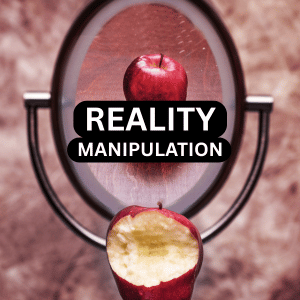
You remember something clearly. Someone you trusted insists it never happened. You leave the conversation questioning your own mind, wondering if you’re too sensitive, too reactive, or simply remembering wrong. This is reality manipulation, and it’s one of the most devastating tactics used against scapegoats in families and relationships.
In this episode, we expose the psychological mechanisms behind reality manipulation—the subtle and not-so-subtle ways people in positions of power rewrite events, reframe your emotions, and demand that you accept their version of reality over your lived experience. When you’re the designated scapegoat, reality manipulation becomes a tool of control, keeping you trapped in self-doubt while they escape accountability.
But here’s what most people don’t understand: your confusion isn’t a sign of weakness or instability. It’s the predictable result of systematic psychological manipulation.
• The four primary tactics used to twist your perception of reality—and why the person using them depends on your continued self-doubt
• What happens in your brain when someone repeatedly undermines your ability to trust your own memories and emotions
• The hidden benefit the scapegoat-maker gets from keeping you confused and questioning yourself
• Why recognizing these patterns is the first step toward trusting yourself again—and what happens when you do
This episode is for anyone who’s walked away from a conversation feeling like they’re going crazy, for those who pre-edit their own experiences before sharing them, and for people ready to understand that their confusion was manufactured, not inevitable. Your perceptions are valid. Your memories matter. Your emotional responses make sense. And this episode will help you see why the people who need you to doubt yourself are the ones who benefit most from your confusion.
Hosted on Acast. See acast.com/privacy for more information.